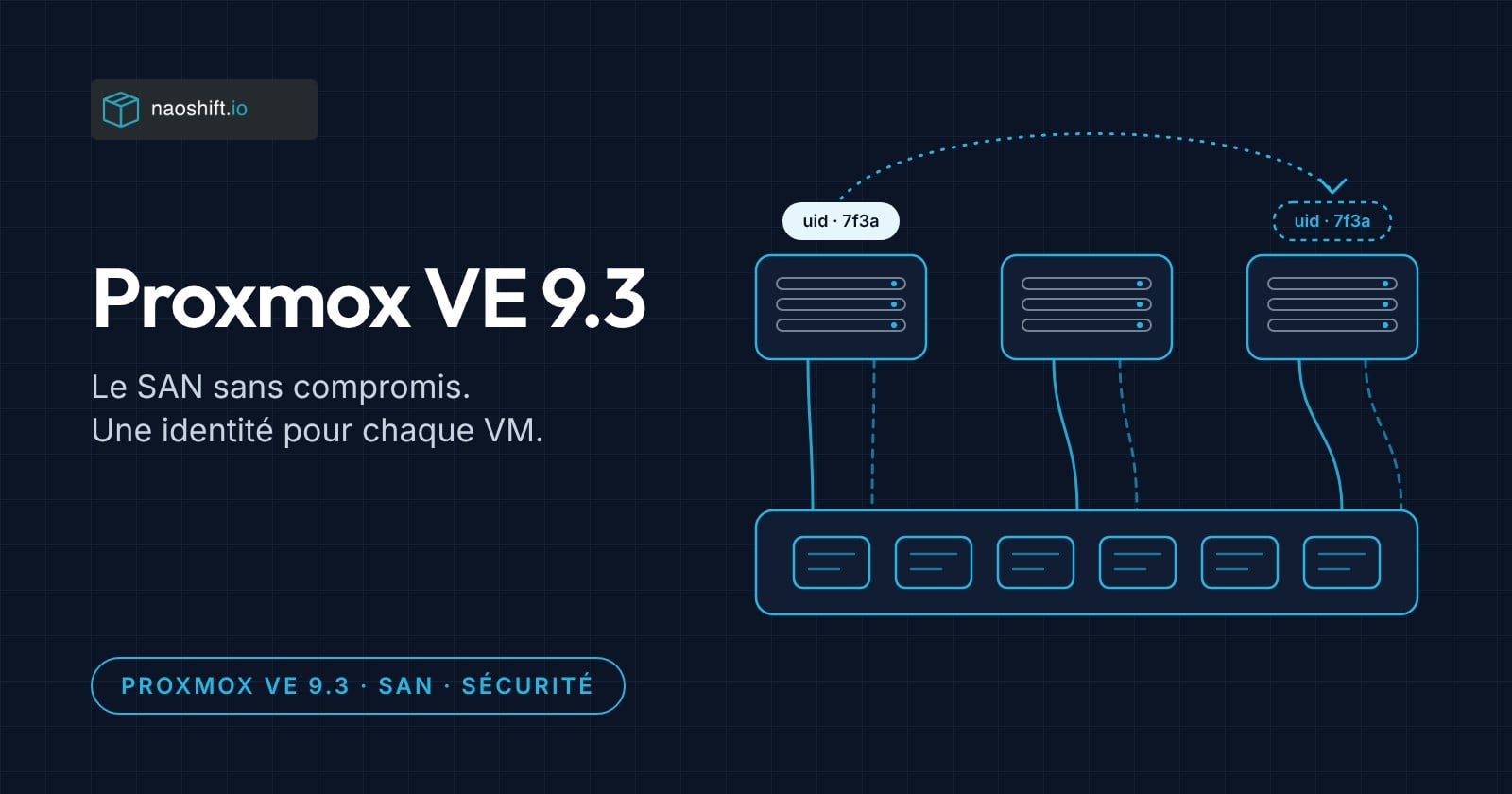
Proxmox VE 9.3: Streamlined SAN Integration and Distinct VM Identity
Proxmox VE 9.3 introduces guided shared LVM, cluster-wide multipath, NVMe over Fabrics, production snapshots on SAN, and stable VM identities. Discover the enhancements and pre-update considerations.
Proxmox VE 9.3: Streamlined SAN Integration and Distinct VM Identity
Proxmox Server Solutions released Proxmox VE 9.3 on November 25, 2026. While this version may not showcase any groundbreaking features, it effectively addresses a common concern expressed by Chief Information Officers (CIOs) transitioning from VMware: "We have a SAN, and integrating it with Proxmox is complicated." With this update, such concerns are significantly alleviated. Moreover, the new release introduces a stable identity for each virtual machine (VM), an API token policy designed for compliance, and a comprehensive array of security patches.
Technical Foundation
Proxmox VE 9.3 is built upon Debian 13.8 "Trixie," featuring a default Linux kernel version 7.0, with an optional upgrade to kernel version 7.3, derived directly from the stable upstream branch. This version also includes QEMU 11.1, LXC 7.0, ZFS 2.4, stable Ceph Tentacle 20.2.5, and the technical preview of Ceph Umbrella 21.2.
Simplified SAN Integration
Historically, connecting a Proxmox cluster to an iSCSI or Fibre Channel SAN required cumbersome node-by-node configuration of multipath and shared LVM through command-line interfaces. Furthermore, the absence of usable snapshots on this storage posed a significant disadvantage compared to VMFS.
With the release of version 9.3, several enhancements have been made:
- A new Datacenter → SAN view provides an overview of path statuses and the usage of each Logical Unit Number (LUN) across all cluster nodes.
- An intuitive assistant facilitates the creation of shared LVM and multipath settings across all nodes simultaneously for iSCSI, Fibre Channel, and NVMe over Fabrics.
- NVMe over Fabrics is now recognized as a distinct storage type, incorporating native multipath capabilities within the kernel and automatic reconnection of lost paths.
- The chained volume snapshots feature on thick LVM, initially introduced in preview mode with version 9.0, is now fully supported in production environments, including on shared LVM configurations for iSCSI and Fibre Channel.
- The new option, “Discard Removed Volumes,” effectively frees up space from deleted volumes on thin-provisioned LUNs without obstructing the cluster's storage lock.
- Third-party storage plugins can now be configured directly within the web interface, utilizing automatically generated forms for streamlined setup.
These advancements collectively enhance the usability of Proxmox VE in environments reliant on SAN technologies, thereby facilitating a smoother transition for organizations migrating from VMware solutions. The integration of NVMe over Fabrics and enhanced snapshot capabilities are particularly noteworthy, as they align with modern storage requirements and operational efficiencies.
In conclusion, Proxmox VE 9.3 marks a significant step forward in addressing the complexities associated with SAN integration, while simultaneously reinforcing the platform's commitment to providing a robust and compliant infrastructure management solution. As organizations consider their virtualization strategies, this update presents a compelling case for the adoption of Proxmox VE as a viable alternative to traditional VMware environments.